Das Wetter wird besser und man kann sich wieder den Hobbys frönen die im freien ausgelebt werden. Ein solches Hobby von mir ist der Modelbauflug. Es gibt für mich nicht viel schöneres, als an einem sonnigen Frühlingstag auf dem Flugplatz das selbstgebaute Flugmodell in die Luft zu bringen. Doch sollte der Tag auf dem Flugplatz nicht nur ausschließlich zur bespaßung dienen, sondern auch zum Testen meines neuen 1,2 Kw Stromaggregat von Denqbar. Diesen habe ich mir vor einigen Wochen geleistet, hatte bisher allerdings nicht die Möglichkeit ihn ausgiebig in Betrieb zu nehmen.
Gerade beim Aufladen der Akkus für mein Flugzeug erhoffe ich mir von dem Stromaggregat tatkräftige Unterstützung. Zwar gibt es in vielen Vereinen Auflade Stationen, doch sind nicht alle diese für Lithium-Boliden Akkus ausgelegt. Und da für mich auch eine mobile Solar-Lösung nicht in Frage kommt, möchte in in Zukunft mit dem Stromerzeuger direkt am Flugplatz meine leere Akkus aufladen können.
DENQBAR DQ-1200 Stromaggregat
 Bereits beim Erhalt der Sendung war ich positiv überrascht. Das Aggregat wurde in einem sehr stabilen Karton geliefert der das Gerät vor äußeren Einwirkungen beim Versand schützt. Die Bedienungsanleitung ist verständlich beschrieben und jeweils in eine kurze und eine lange Variante unterteilt. Da ich bis dato noch gar keine Erfahrung mit Stromerzeugern hatte, habe ich mir auch direkt die lange Variante durchgelesen.
Am Gerät selber gefällt mir besonders das schön große Display, das sich direkt neben der Steckdose befindet, auf dem man Werte wie die Spannung, Stromstärke, Frequenz und die momentan benötigte Leistung ablesen kann. Unter der Ölkontrollleuchte befindet sich auch eine Anzeige an der man die Laufzeit des Generators ablesen kann. Auch das ich sehr komfortabel.
Wofür ein Aggregat auf dem Flugplatz?
Ja aber was macht man nun mit einem Stromaggregat auf dem Flugplatz? Die wichtigste Aufgabe ist natürlich die bereits erwähnte Auflademöglichkeit für die Akkus die in Fernbedienung und Flugzeug eingelegt werden. Aber bringt das Aggregat auch weitere Annehmbarkeiten mit sich. So können auch direkt kleinere Reparaturen vor Ort vorgenommen werden, da man Werkzeuge wie Lötkolben oder Dremel mit Strom versorgen kann. Aber auch herkömmliche Geräte wie Handy oder Laptop können in Betrieb genommen bzw. aufgeladen werden.
Die 1200 Watt die der Stromerzeuger mit sich bringt sind für die Aufgaben auf dem Flugplatz auch völlig ausreichend. Mehr benötigt man sicher erst wenn größere Baumaschinen oder ähnliches in Betrieb genommen werden. Was mich überrascht hat, ist die Tatsache, dass die Stromversorgung selbst mit billigen Netzteilen, die von Hause aus sensibel auf Spannungsschwankungen reagieren, problemlos gewährleistet war. Trotz einer Ladestationen für die Akkus, einem Handy und einem Laptop habe ich die 1200 Watt nicht erreicht. Das Aggregat ist somit, zu mindestens für meine Bedürfnisse, völlig ausreichend.
Mein Fazit zum Stromerzeuger von Denqbar
Wie anhand meines kleinen Berichtes zu erahnen ist, fällt mein Fazit zu dem Denqbar Stromaggregat überaus positiv aus. Es handelt sich hier um ein kompaktes Gerät, dass über einen Eco-modus verfügt und so auch in Sachen Laustärke angenehm in Betrieb genommen werden kann. Auch der sparsame Sprit-Verbrauch und die Zuverlässigkeit weiß zu gefallen.…
 Bei der Wahl des passenden Schwerlastregals kommt es auf die Funktion an, die es erfüllen soll. Bei den Regalen, die in der Industrie verwendet werden, handelt es sich meist um Kragarmregale, die problemlos sperrige und auch sehr schwere Güter tragen können. Diese Kragarmregale können frei im Raum, aber auch im Außenbereich stehen. Das ist besonders praktisch, da sie dadurch problemlos von beiden Seiten sowohl be- als auch entladen werden können. Eine weitere Variante ist das Palettenregal. Hier bestehen die Böden aus flexiblen Europaletten, die eine Tragkraft von 500 bis 1200 Kilogramm bieten. Wer ein solches Modell für den gewerblichen Einsatz sucht, der sollte sich die Regale von Kaiser Systeme ansehen, die qualitativ sehr hochwertig sind. Soll das Schwerlastregals eher im kleineren gewerblichen oder auch im privaten Rahme genutzt werden, dann sind Weitspannregale geeignet. Dabei handelt es sich um einen Rahmen mit meist geklebten und sehr stabilen Holzböden. Sinnvoll und praktisch sind Systeme, die man je nach Wunsch sowohl in der Länge als auch in der Höhe erweitern kann.
 Grundsätzlich unterscheidet man zwischen leeren Werkstattwagen und bestückten Werkstattwagen . Ein leerer Werkzeugwagen ist vor allem dann sinnvoll, wenn man schon einige Werkzeuge angesammelt hat, die man auch weiter verwenden möchte. In einem solchen Fall soll der Werkstattwagen in erster Linie für Ordnung sorgen und die Werkzeuge mobil transportieren.
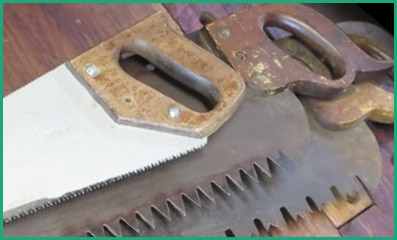 Die nicht elektrisch angetriebenen Sägen werden zumeist als Handsägen bezeichnet und sind seit mehr als zweitausend Jahren im Einsatz. Zu den primitivsten varianten gehören steinzeitliche Sägen welche aus einem Stock mit eingesetzten Feuersteinsplittern bestehen, auch Bogenkonstruktionen sind sehr alt.